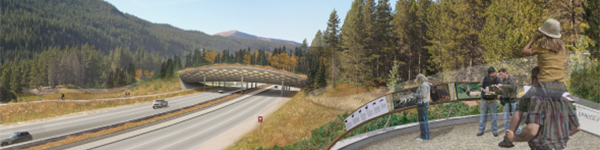
HNTB+MVVA
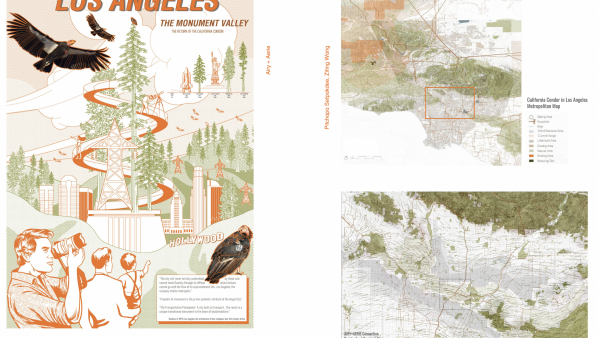
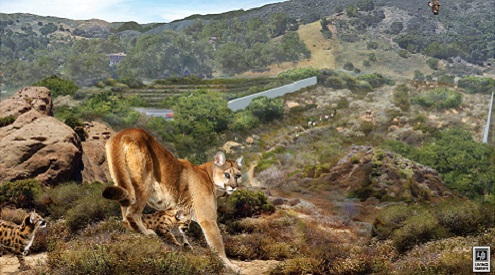
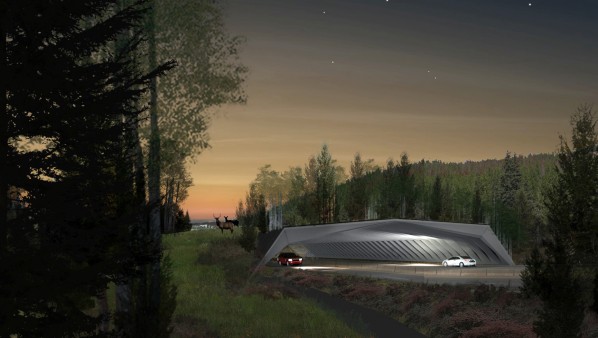
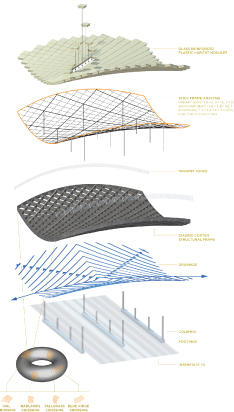
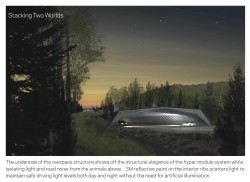
Concept design for the winning entry in the 2010 ARC International Wildlife Crossing Infrastructure Design Competition by HNTB with Michael Van Valkenburgh & Associates.
What is ARC?
ARC is an interdisciplinary partnership working to facilitate new thinking, new methods, new materials and new solutions for wildlife crossing structures. Our goal is to ensure safe passage for both humans and animals on and across our roads. Situated at the intersection of science and design, we are a forum for creative collaborations and surprising synergies.
Paula MacKay, WTI
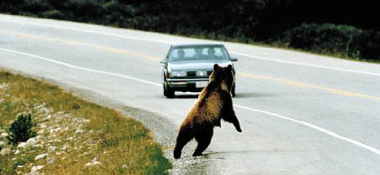
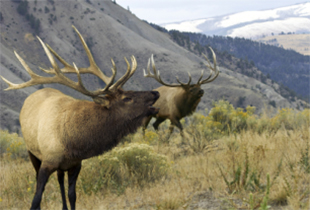
Wildlife-vehicle collisions pose a significant risk to a wide range of wildlife species and their populations throughout North America.
New Thinking
A growing threat to people and to animals, collisions between wildlife and vehicles have been increased by 50 percent in the last 15 years. These accidents now cost Americans $8 billion every year.
ARC engages new thinking to design crossing structures that reconnect landscapes, safeguarding our wildlife populations, their habitats and our ecosystems. The right solution will reduce the number of collisions to save human and animal lives, at a lower cost, improving highway safety for all.
HNTB+MVVA
Wildlife crossings offer new opportunities for innovative research and educational outreach, such as infrared web-cameras that feed real-time visual data to handheld applications for scientists and the public alike.
New Methods
Integrating science and design, ARC is changing the way people and animals see and understand our landscapes. We use interdisciplinary collaboration and international cooperation to address a continental problem at local sites and scales.
Janet Rosenberg & Associates
“An animal's world is vision, sound, touch, smell. It's not about language. You have to get into the sensory world in order to understand them.” – Temple Grandin
New Materials
Dynamic conditions demand flexible solutions and responsive materials. ARC explores new, sustainable infrastructure material strategies to respond to people, animals, and their shared environments.
Yves LeBlanc
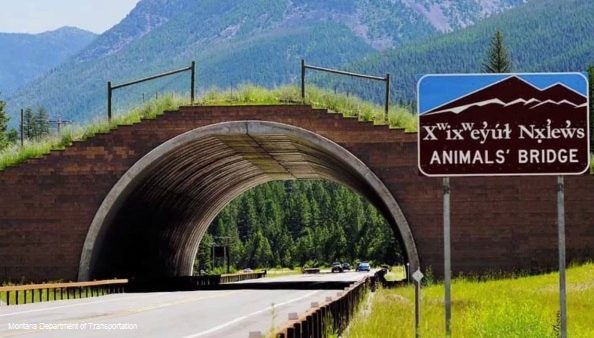
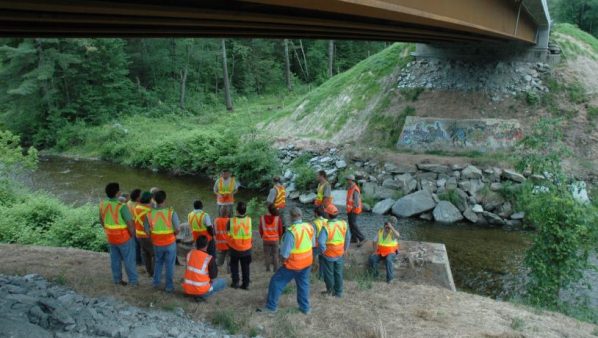
Animals need several types of structures to ensure safe passage across roadways. Underpasses, like this example in Québec, are the more common type of crossing structure while overpasses are important habitat linkages in other locations.
New Solutions
ARC works to implement creative solutions for wildlife crossing infrastructure to benefit humans and animals. Our success depends on partners and projects across North America.
Join us, and become part of the solution.
Featured News
One recent Sunday afternoon while he was biking in New York City's Central Park, Theodore Zoli's cell phone rang. It was a call from James Ray, a U.S. Army Corps of Engineers senior researcher with the Engineering Research and Development Center in Biloxi, Miss. Troops in Afghanistan were concerned about a bridge that had been damaged by fire. Could they safely cross it?
Featured Video
Bear 71 is a web documentary that explores the connections between the human and animal world, and the far-ranging effects that human settlements, roads and railways have on wildlife. This webdoc allows viewers/users to follow the movements of a female grizzly bear and other wild inhabitants through Banff National Park in Canada by scrolling through and activating the site's webcams.
![ARC [diagram]](http://arc-solutions.org/wp-content/themes/arc/images/arc-diagram.jpg)